
Where Do Brands Find the Most Reliable Wooden Storage Boxes Manufacturers
- By: Admin
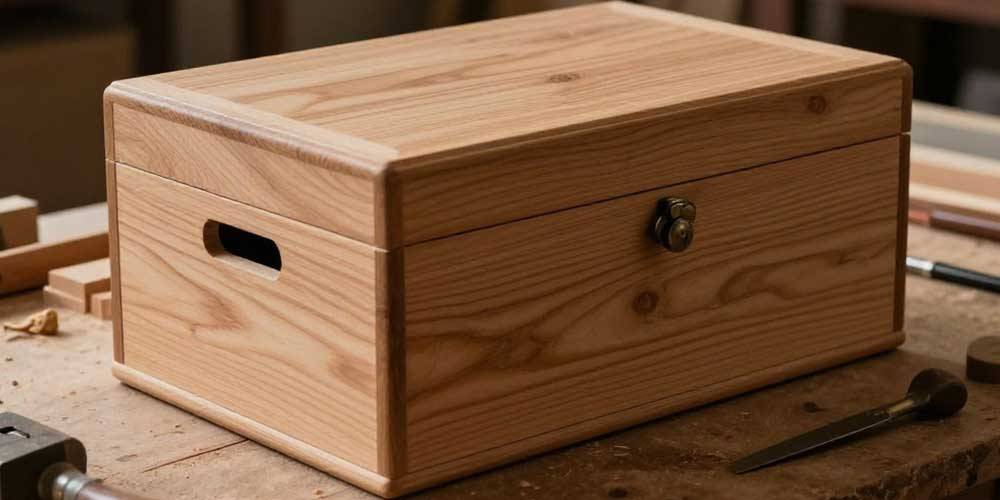
Finding a reliable manufacturing partner for wooden storage boxes is harder than most brands expect going in. The product looks simple from the outside. Wood, joints, a lid, maybe some finishing. But the gap between a box that looks decent in a product photo and one that holds up through shipping, retail handling, and actual customer use is significant. Brands sourcing from the right Wooden Storage Boxes Manufacturers avoid expensive problems that show up too late to fix, and even precision-focused companies like Jafri Survey Instruments understand that quality craftsmanship in wooden products demands the same rigorous supplier evaluation as any other manufactured component. The manufacturers worth working with are out there. Finding them just requires knowing where to look and what to ask.
Why the Obvious Sourcing Routes Often Disappoint
Most brands start their search on large B2B platforms. They browse listings, request quotes, compare prices, and shortlist based on minimum order quantities and lead times. That process is not useless, but it has a serious limitation. Platform listings are built to attract inquiries, not to accurately represent manufacturing capability. Product photos are often stock images or best-case samples. Certifications listed may be outdated or not applicable to the specific product being ordered. Brands that rely entirely on platform research without deeper verification regularly end up with first orders that look acceptable and repeat orders that reveal quality inconsistencies they were never warned about.
What Reliable Manufacturers Actually Look Like on the Inside
Visiting a facility changes the conversation entirely. What a manufacturer shows you when you walk through their production floor tells you more than any catalogue or certification document. The condition of their woodworking machinery indicates how seriously they invest in consistent output quality. The way raw timber is stored reveals whether moisture control is being managed properly, which directly affects warping and joint failure in finished products. The skill level visible in hand-finishing and assembly stages shows whether quality is built into the process or applied as a surface correction at the end.
The Wood Selection Question That Most Buyers Skip Over
Not all wood is equally suited to storage box production, and the species and grade used in manufacturing affect everything from durability to finish quality to how the product behaves in different humidity environments. This is a conversation that most buyers never have with their suppliers:
- Solid hardwoods like teak, oak, and walnut offer excellent durability and natural resistance to warping, but come at a higher material cost that should be reflected in pricing.
- Pine and paulownia are lighter and more affordable, suitable for decorative storage boxes where structural load is minimal, and aesthetics drive the buying decision.
- Plywood and MDF cores with solid wood veneers provide dimensional stability at lower cost but require honest disclosure because some buyers specifically want solid wood construction.
Joinery and Finishing Standards That Predict Long-Term Quality
The joinery used in a wooden storage box is where structural integrity either exists or does not. Dovetail joints and box joints handle stress and movement far better than simple butt joints held together with glue and staples. In boxes expected to carry weight or withstand repeated opening and closing, joint quality is not a minor detail. It is the difference between a product that stays together for years and one that starts pulling apart within months. Finishing standards matter just as much for boxes entering retail or gifting markets:
- Sanding consistency across all surfaces determines how evenly stain or paint absorbs, affecting the visual uniformity of finished batches.
- Edge finishing reveals whether hand skill is present in production or whether corners and edges are left rough and simply covered with hardware.
- Hardware attachment quality, including hinge placement precision and latch alignment, shows whether assembly is done to a measured standard or by eye.
Building a Supplier Relationship That Survives Growth
The brands that find reliable long-term manufacturing partners share a common approach. They start with smaller trial orders specifically designed to test quality consistency rather than just confirm the supplier can produce the product at all. They communicate specification requirements in writing with visual references rather than relying on verbal descriptions that get interpreted differently across language and cultural gaps. They visit facilities at least once before scaling order volumes significantly. And they treat early quality feedback as a collaborative conversation rather than an immediate threat to the relationship.
Final Thoughts
Reliable manufacturing partners for wooden products are not found through shortcuts. They are found through genuine research, honest conversations, and the patience to test before committing at scale. The brands that invest that effort upfront end up with suppliers who understand their standards and consistently meet them. Those who rush the process to save time early usually spend far more time managing quality problems later. The right partner is worth the search.
