
Beyond the Crate Why Quality Wooden Box Manufacturers Matter
- By: Admin
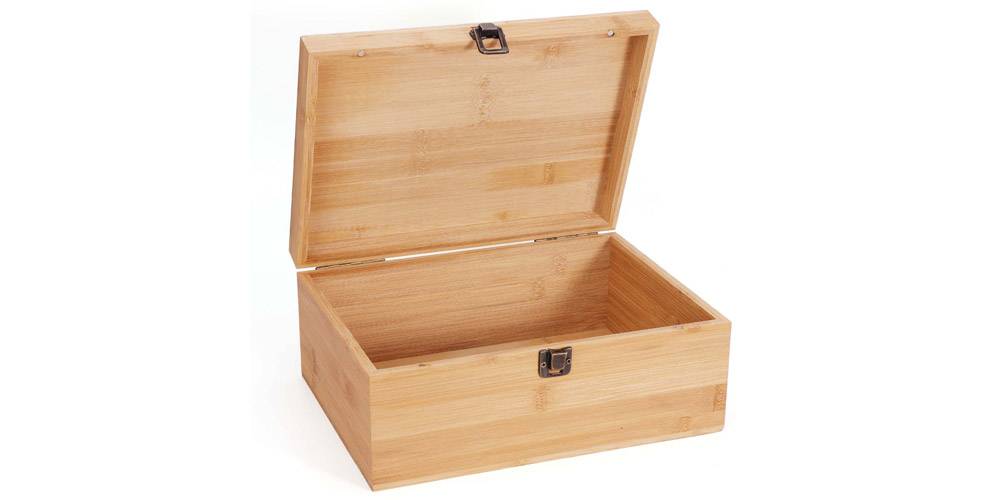
For the average person, when they think of a wooden crate, they consider it to be a functional piece of furniture designed for transporting goods from one location to another. But the world has moved far beyond this simplistic approach recently. Today, the line between a cheap container and a piece of craftsmanship is drawn exclusively by quality Wooden Box Manufacturers.
In an age where plastic and cheap cardboard are dominating the market, wooden crates are a green and durable option for transporting your goods. It's not just about the manufacturer using wood; it's about the type of wood and how it's assembled to ensure your goods—whether delicate instruments or heavy machinery—arrive in pristine condition.
The Anatomy of Excellence
What sets a premium manufacturer apart from a mass producer? It is quite simple, really: it is the marriage of traditional woodworking and modern engineering principles. So, what does a quality manufacturer focus on? They focus on:
- Structural Integrity: Using a dovetail or finger joint instead of simple nailing to make sure the box can withstand vertical pressure.
- Material Selection: The decision between using hardwoods for visual appeal and softwoods for durability in an industrial setting.
- Customization: Designing internal foam inserts, felt linings, and possibly even partitions to fit the exact dimensions of the product.
- Sustainability: Using timber from managed forests to keep the entire process environmentally friendly.
Protection That Goes Further
The primary role of any crate is protection, but "quality" implies protection against more than just impact. High-end manufacturers treat their wood to resist pests, fungal growth, and moisture. Such protection is especially the case in international shipping, as changing temperatures and sea air can cause havoc with untreated materials. By investing in a superior build, you’re essentially buying insurance for your reputation.
Versatility in Utility and Design
Wooden boxes are no longer just sitting in dusty corners of warehouses. They have moved into showrooms, high-end labs, and even home decor. Wooden Storage Boxes Manufacturers like Jafri Survey Instruments are a big part of this change. They know that precision tools and delicate equipment need storage that is just as reliable as the technology inside. When a company makes both the instruments and the casing, the design works together better than any other.
Why Quality Matters for Your Brand
When a customer gets a product in a strong, well-made wooden box, they think the item inside is worth a lot more. It shows that the company cares about every part of the user experience.
- Reusability: A well-made wooden box is not likely to be thrown away like cardboard. It often gets a second life as storage, which keeps your brand in front of customers for years.
- Environmental Impact: Wood can break down and grow back. Wood is the best material for both luxury and industrial packaging in a world that wants "green" logistics.
- Safety: Stronger boxes mean fewer returns that are damaged. This cuts down on the carbon footprint of shipping replacements and keeps your profit margins healthy.
Identifying a Reliable Partner
Not every maker is the same. When seeking a packaging partner, ensure they are transparent about their material sourcing and testing. Find out how they dry their wood in a kiln and if they follow international shipping rules like ISPM 15. A company that can explain why they chose a certain type of wood is likely to make a product that is better than what you expected.
The Future of Wooden Packaging
As automation increases, the "human touch" in woodworking becomes a premium feature. We are seeing a trend toward "smart" wooden boxes—containers equipped with sensors to track humidity and movement—while maintaining the classic, rugged exterior that only timber can provide. The future isn't about replacing wood; it’s about refining it.
Choosing to go "beyond the crate" means recognizing that the box is an extension of the product itself. It serves as the final point of contact between the producer and the consumer. By partnering with a manufacturer that values precision, you aren't just buying a box; you are investing in a legacy of quality that guards your most valuable assets.
