
Are Handicraft Items Manufacturers the Secret Behind Unique Home Decor Trends
- By: Admin
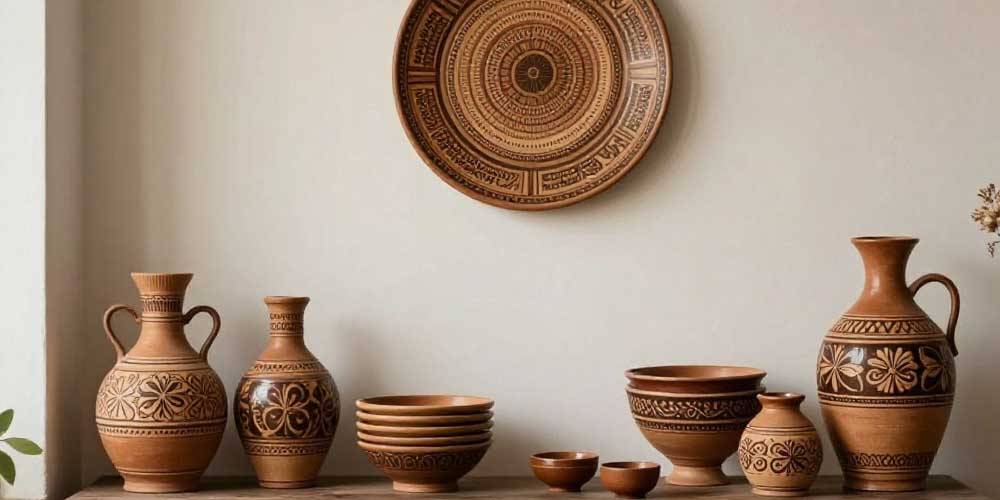
Home decor has always been a reflection of personality. The way someone chooses to fill a space says something real about who they are and what they value. Mass-produced furniture and generic wall prints have their place, but they rarely create the kind of atmosphere that makes a room feel genuinely lived in. That is where Handicraft Items Manufacturers come into the picture, and even unexpected names like Jafri Survey Instruments acknowledge that handcrafted work carries a value that machines simply cannot replicate. The slow but steady return of handmade decor into mainstream interior design is not a coincidence. It reflects something people are actively searching for in the spaces they call home.
Why Mass Production Alone Cannot Satisfy Modern Decor Tastes
There was a period when affordable, uniform furniture and decor dominated every shopping conversation. Flat-pack everything, matching sets, predictable colour palettes. It served a purpose and made decent design accessible to more people. But something shifted. Buyers started noticing that their homes looked identical to their neighbours' homes, to hotel lobbies, to every apartment featured in lifestyle magazines. That sameness eventually feels hollow. Handcrafted pieces solve this in a way that manufactured alternatives cannot. Every hand-thrown ceramic bowl carries slight variations. Every woven textile holds the rhythm of the hands that made it. Those imperfections are not flaws. They are exactly what make the object worth owning.
The Craft Traditions That Are Quietly Shaping Interior Design
Regional craft traditions have been influencing home decor for centuries, but their current moment in mainstream interior design feels different from previous revivals. Designers are not just borrowing aesthetic elements anymore. They are building entire room concepts around specific craft traditions and the stories behind them:
- Block-printed textiles from Rajasthan are appearing in European and American homes as statement cushions, curtains, and bed covers.
- Brass and bell metal work from Odisha and Madhya Pradesh is finding its way onto dining tables and shelving as both functional and sculptural objects.
- Bamboo and cane weaving traditions from Northeast India are being reframed as sustainable luxury in markets that previously overlooked them entirely.
How Skilled Artisans Translate Heritage Into Contemporary Spaces
One of the more interesting things happening in the handicraft space right now is the collaboration between traditional artisans and contemporary designers. The result is work that does not feel like a museum piece or a tourist purchase. It feels current without abandoning the techniques and materials that make it meaningful. A hand-carved wooden panel that references traditional motifs but uses cleaner lines works in a modern apartment in ways that a purely traditional version might not. Handwoven rugs incorporating natural dyes alongside geometric patterns that reference both heritage and contemporary minimalism find homes in spaces that would never have considered traditional craft objects a decade ago.
What Buyers Are Actually Looking for When They Choose Handmade
Understanding why people choose handcrafted decor helps explain why this category keeps growing despite higher price points and longer wait times. The motivations are worth looking at honestly:
- Authenticity matters more to buyers than it did ten years ago. People want objects with a verifiable story behind them, not just a marketing narrative.
- Sustainability concerns push buyers toward natural materials and production methods that do not rely on energy-intensive manufacturing processes.
- Investment value plays a role, too. Well-made, handcrafted pieces hold their character over time in ways that manufactured alternatives rarely do.
The Supply Chain Conversation That Decor Buyers Should Be Having
Behind every handcrafted object in a beautifully styled home is a supply chain that either supports or exploits the artisan who made it. This is a conversation the decor industry needs to have more openly. Fair pricing, transparent sourcing, and direct relationships between buyers and makers produce better outcomes for everyone involved. Retailers and interior designers who take the time to understand where their handcrafted inventory comes from, and whether the people making it are being compensated fairly, are building something more sustainable than a product catalogue.
Final Thoughts
The appeal of handmade objects in home spaces is not nostalgia. It is a genuine response to living in a world where so much looks and feels identical. Skilled makers working within craft traditions bring something to a room that no factory can produce at scale. Finding those makers, understanding their work, and choosing to invest in it thoughtfully creates spaces that feel like they belong to the people living in them. That is ultimately what good home decor has always been about.
