
Brass Handicrafts Manufacturers Setting New Trends
- By: Admin
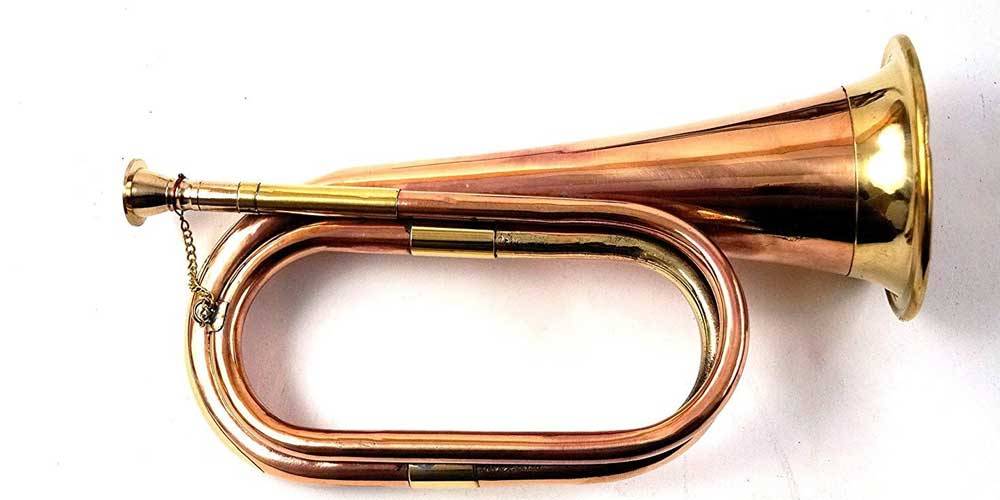
The world of brass art in India has been the talk of the town across the globe for many years. Today, artisans are mixing traditional styles with changing customer needs, developing pieces that attract both the old and the new kind of people. Brass Handicrafts Manufacturers no longer rely on old-fashioned designs only; they are fans of new decor that matches with their elaborated age-old craftwork.
Expanding Design Horizons
The gamut what consumers can find made by brass workers now comprises idols that have intricate carvings, vintage-style cookery, and minimalistic home décor pieces. The precision of the merchandise is improved when they use the latest technology and at the same time they can keep the core of the product’s elegant display. With the help of these manufacturers in the home and foreign markets, the revival of the use of brass in different ways with different methods like successful fusing of brass with wood, glass, and marble alongside fine embossing and antique finishing is becoming a reality.
Customization and Functional Aesthetics
The brass industry is seeing a significant change with customization becoming increasingly necessary in the field. Buyers want the décor of their interiors to be aligned with the spaces that they have, themes that they have and to be able to give them as gifts. One-off patterns, engravings, and selective coloring are the modern artisans’ answers to the demand for customization. One such example is the makers of beautiful wall clocks who work closely with brass artisans in making beautiful people functional accents at the same time and are thus, statement décor. The clocks that combine practicality with artistic expression and versatility in decor value range from ornate filigree motifs to stylish contemporary silhouettes.
Sustainability and Ethical Crafting
Besides the innovations in aesthetics, limited or no pollution and sustainability have become the main priorities. Most of the shops are using recycled metals, they are pro-recycling in the smelting of the metals and they use better natural raw materials. This trend has attracted a lot of customers who are very environmentally friendly both in Europe and in those parts of the world like the Middle East, and North America, some of which are eco-friendly markets. The artisans have also taken on the challenge of providing good working conditions for their employees, using their invention to ensure the safety of the work area, providing a good income for the families while keeping the tradition of metalwork in the family line alive.
Demand in Luxury and Global Markets
The interior designers and exporters have seen that the demand for the best brass décor in luxury hotels, business interiors, restaurants, and heritage restoration has been growing continuously. From the wall plates and sculptures to lightings and the small decorative items for the tabletop were among the products ordered by designers to give out the project spaces a warm and unique character. The artisan’s clientele has become wider, both physically through international exhibitions and digitally through e-marketplaces. It means that they have many more routes to industry growth now without having to lose the skill level of their craft.
Collaborations and Heritage Integration
Invention is not only happening with the aid of the decor but even the traditional tools, precision instruments, and ritual objects made out of brass are getting new fans among the collectors and the small-segment buyers. For instance, Jafri Survey Instruments is one of the companies that are working jointly with Decorative Wall Clock Manufacturers to come out with period-style designs that indicate both thes heritage of the artisans and the practicality of elegance. These kinds of collaborations are mixing up the two features of the product –which would have been difficult without the interplay, first of the utility and second of the aesthetics, but last, keeping the products distinguishable amidst the saturated marketplace.
Storytelling Through Craft
The one thing that truly separates the new generation of brass craftsmen from the previous one is the introduction of storytelling. Most of the time, when citing the source of a particular design, the artists might speak about the community producing the product or the symbolism behind the pattern. This style of presentation has greatly enabled customers to establish emotional bonds with pieces, especially, in the premium gifting market. Whether it’s wedding hampers, brass corporate gifting are being repositioned as the keepsake that combine tradition and individual taste.
Linked Industries and Precision Influence
Moreover, towards the end of the supply chain and design, the allied trades are also experiencing a revival of their activities. The precision and structural balance that are often inherent in brass collectibles and utility products inspire businesses like the Plane Table Manufacturers, who specialize in the making of the most durable and accurate products. These collaborations ensure that not only the beauty of the art of craftsmanship can be enjoyed but also that the art of craftsmanship is perfected structurally and thereby can be used over a long time.
Growth Channels and Future Outlook
Brass artisans in India will reach out to more customers through online platforms, export collaborations, and their own craft outlets if the demand for their work continues to increase. They will also be investing in better finishing methods, packaging, and design research to remain competitive without sacrificing their originality.
Conclusion
To sum it up, the trio of cultural heritage, changing designs and striving for sustainability have been very comforting to brass artisans in establishing their presence in the global lifestyle and home décor sector. With the sector getting fresh and upcoming trends directly from the traditional roots, this segment looks to be around for a long time.
